

Structural steel, machinery and epoxy coatings
High temperature coatings
High temperature coatings for stacks, flares, ovens, exhaust systems, and equipment that runs hot, where ordinary paint blisters, burns off, or lets rust through.
Overview
When heat is the problem
Heat is hard on coatings. Constant high temperatures, heating and cooling cycles, and direct flame break ordinary paint down fast, and heat speeds up corrosion on any metal left exposed. A high temperature coating is made to stay bonded and stable under that heat, so it keeps protecting the metal instead of peeling off it. Ordinary high heat paint from a can isn’t built for a plant. These are industrial systems, chosen for the metal and the operating temperature.
Where we use them
Stacks and flare stations, kiln exteriors, and the inside of industrial ovens and smelters. Exhaust systems and engine cells in automotive plants. Vessels and pipe systems in refineries. Turbine enclosures and ductwork in power plants. Boilers and digesters in pulp and paper mills, reactors and furnaces in petrochemical plants, and the chutes and ducts in recycling plants.
Heat resistant is not fireproofing
A heat resistant coating protects steel that runs hot every day. An intumescent coating is different: it does nothing until there’s a fire, then swells into an insulating char that keeps structural steel standing longer. One is for daily operating heat, the other for life safety. If you need fire protection, see intumescent fire protective coatings.
How a high heat job runs
We start with the equipment: the metal, the operating temperature, how often it heats and cools, and what else it’s exposed to. That decides the system. The surface is cleaned and profiled by degreasing, power tools, or blasting, and where blasting is needed, we coordinate it as part of the job. The coating goes on to the spec, with close attention to film thickness, cure, and compatibility between coats.
At Weber Metals, home of a 12,000-ton press, the job called for a coating that could take 1,000 degrees Fahrenheit, applied in very short windows. We coated the press, and we coated its grease pit with a high temperature epoxy rated to 1,000 degrees.
Projects
High temperature projects
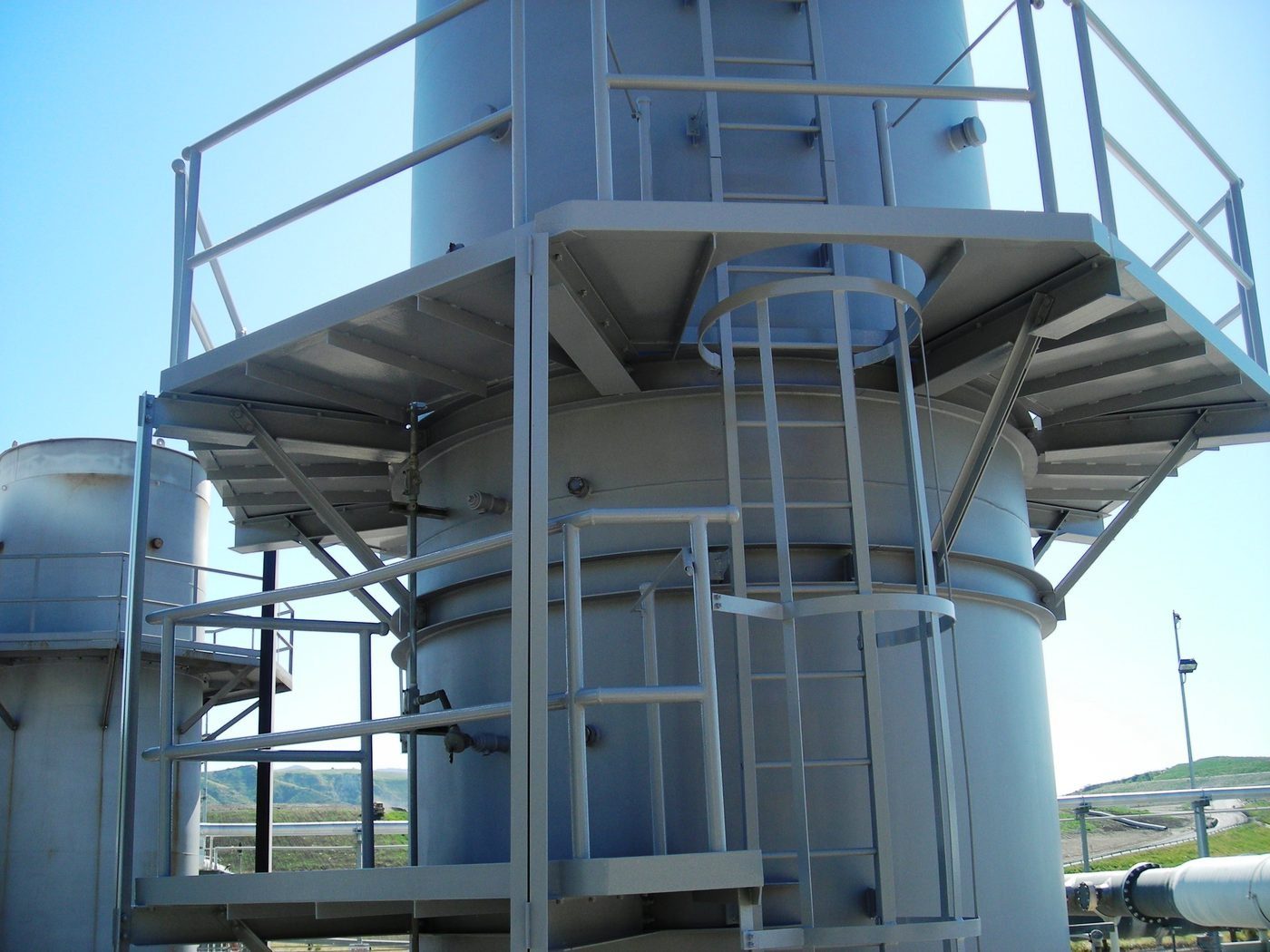 High temperature coatingsFlare stacksFlare stacks recoated for heat and corrosion.
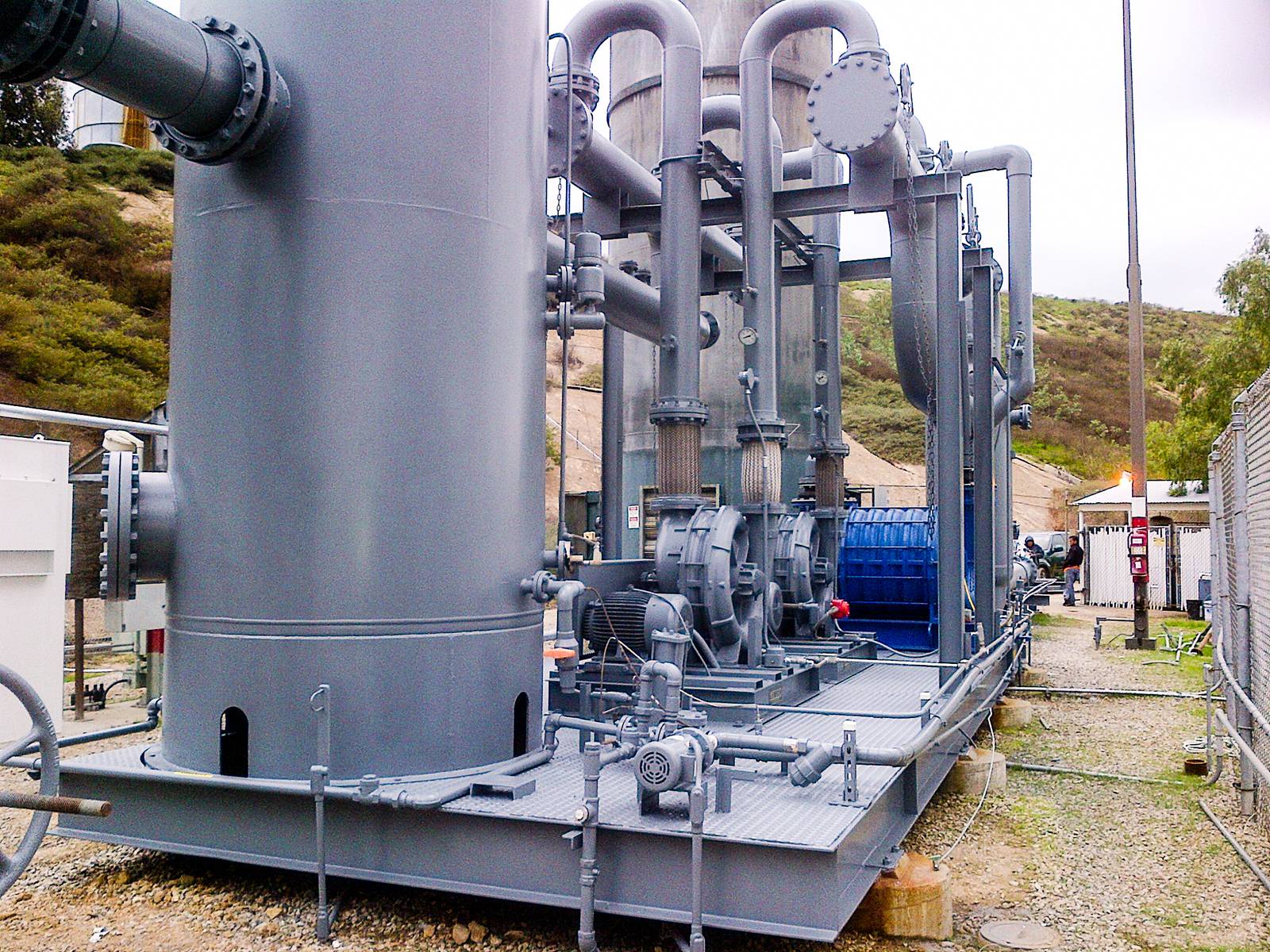 High-temp coatingsSunshine Canyon LandfillRaider provided steel structural and high temperature coatings to the flare station.
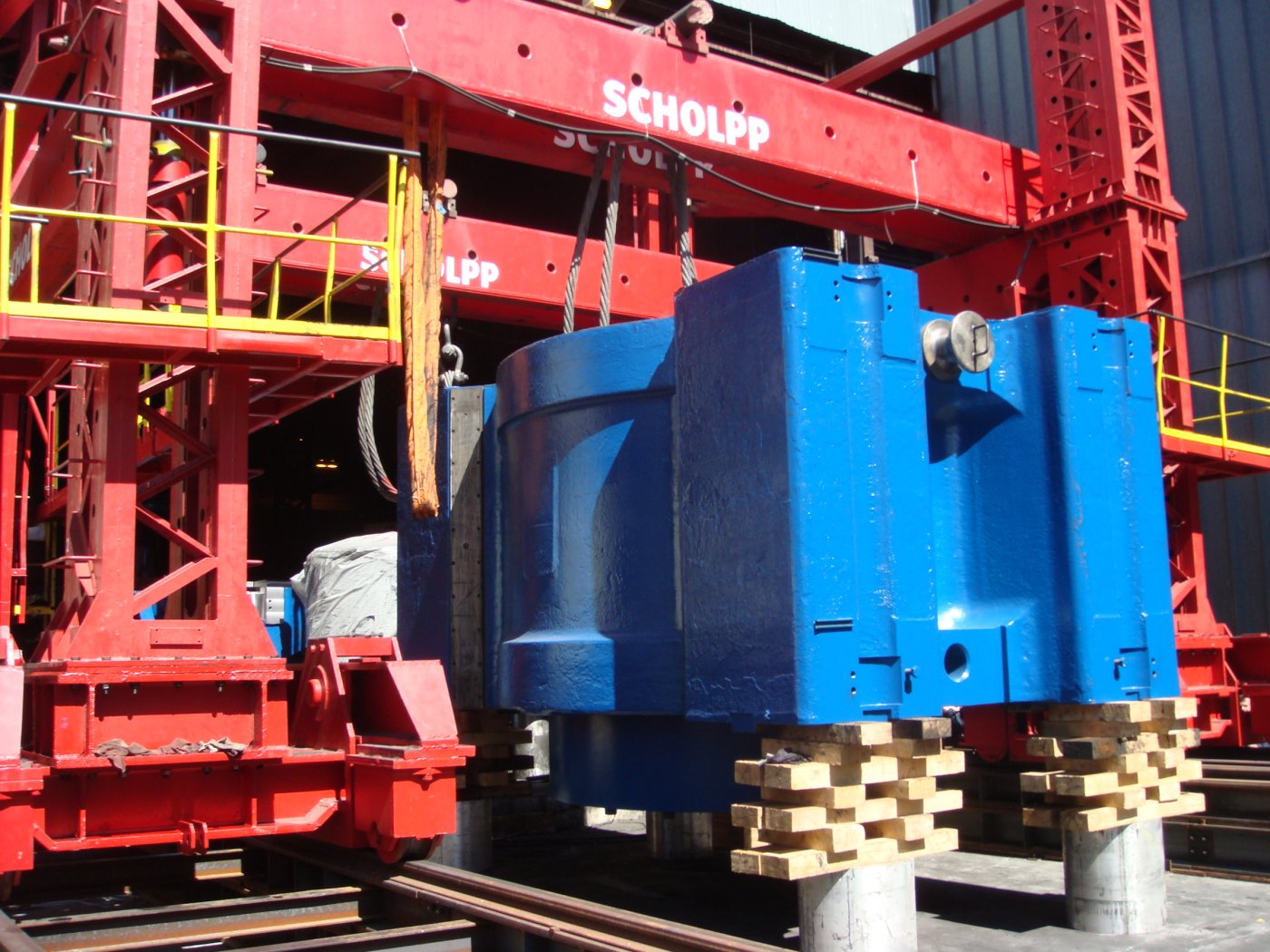 Heavy machinery coatingsWeber MetalsWeber Metals is the home of a 12,000-ton press that only one team in the world is…
Structural steel, machinery and epoxy coatings
More structural steel, machinery and epoxy coatings
- Machinery and equipment coatings Coatings for cranes, pumps, fans, and production equipment, applied in place.
- Corrosion control coatings Layered coating systems that keep rust off steel, tanks, and equipment.
- Structural steel coatings Beams, columns, towers, and support steel, prepped and coated to spec.
- Chemical resistant coatings Epoxy and specialty coatings for tanks, steel, and process equipment that see chemicals.
- Polyurethane and UV protective coatings UV stable polyurethane topcoats for outdoor steel, tanks, and equipment.
- Pipe and conduit coatings Coatings for process piping, rooftop pipes, and pipe supports.
What is a high temperature coating?
A coating made to stay bonded and protective on metal that runs hot, through constant heat and repeated heating and cooling. Ordinary paint softens, blisters, or burns off at those temperatures. A high temperature coating keeps corrosion off stacks, exhaust, ovens, and process equipment.
How much heat can your coatings take?
It depends on the system. At Weber Metals we applied an epoxy rated to 1,000 degrees Fahrenheit. Tell us the operating temperature and how often the equipment heats and cools, and we’ll specify a system rated for it.
Is heat resistant paint the same as intumescent coating?
No. Heat resistant coatings protect equipment that runs hot every day. Intumescent coatings are fire protection: in a fire they expand into a char that slows the steel from heating up. Some facilities need both.
Can you do the work during a shutdown?
Yes. Tell us the window and we staff the job to finish inside it. Nights and weekends work too. At Weber Metals, the work had to fit very short application windows.