

Industrial painting
Industrial interior painting
Walls, ceilings, machinery housings, piping, and structural steel inside working plants. Coatings that stand up to washdowns, chemicals, and wear, applied around production.
Overview
Coatings for the inside of a working plant
Inside a plant, paint has a job to do. Washdowns, cleaning chemicals, process residue, heat, and equipment traffic wear a normal finish out fast, and once it fails, the steel and block underneath start to go. Industrial interior painting puts the right system on each surface so it holds up to the work around it.
What we paint inside a plant
Walls and ceilings: concrete block, metal liner panels, and drywall in production and warehouse areas, plus exposed deck, including spray-applied dry fall ceiling coatings.
Machinery housings and equipment: guards, housings, and frames, recoated between shifts or during a shutdown.
Piping: process and utility piping, coated to keep corrosion off.
Structural steel: columns, beams, and support structures inside the building.
Picking the system
Most plant interiors get an epoxy system for its adhesion and chemical resistance, often with a polyurethane topcoat for extra protection. Bare or rusted steel gets a zinc-rich or rust-inhibiting primer first. Offices, breakrooms, and corridors inside the plant can take a washable latex instead. Food plants get FDA and USDA approved coatings, and floors get their own floor coating system.
Working around production and equipment
We phase the work by area, line, or shift, or do it inside a planned shutdown. Sensitive equipment is covered and the work area is contained so dust and overspray stay out of production. Machinery is shut down and locked out by your team before we coat it.
Checked before it goes back into service
During the job we check surface cleanliness, temperature and humidity, and coating thickness, and we make sure each coat has cured before the area goes back into use.
Projects
Industrial interior projects
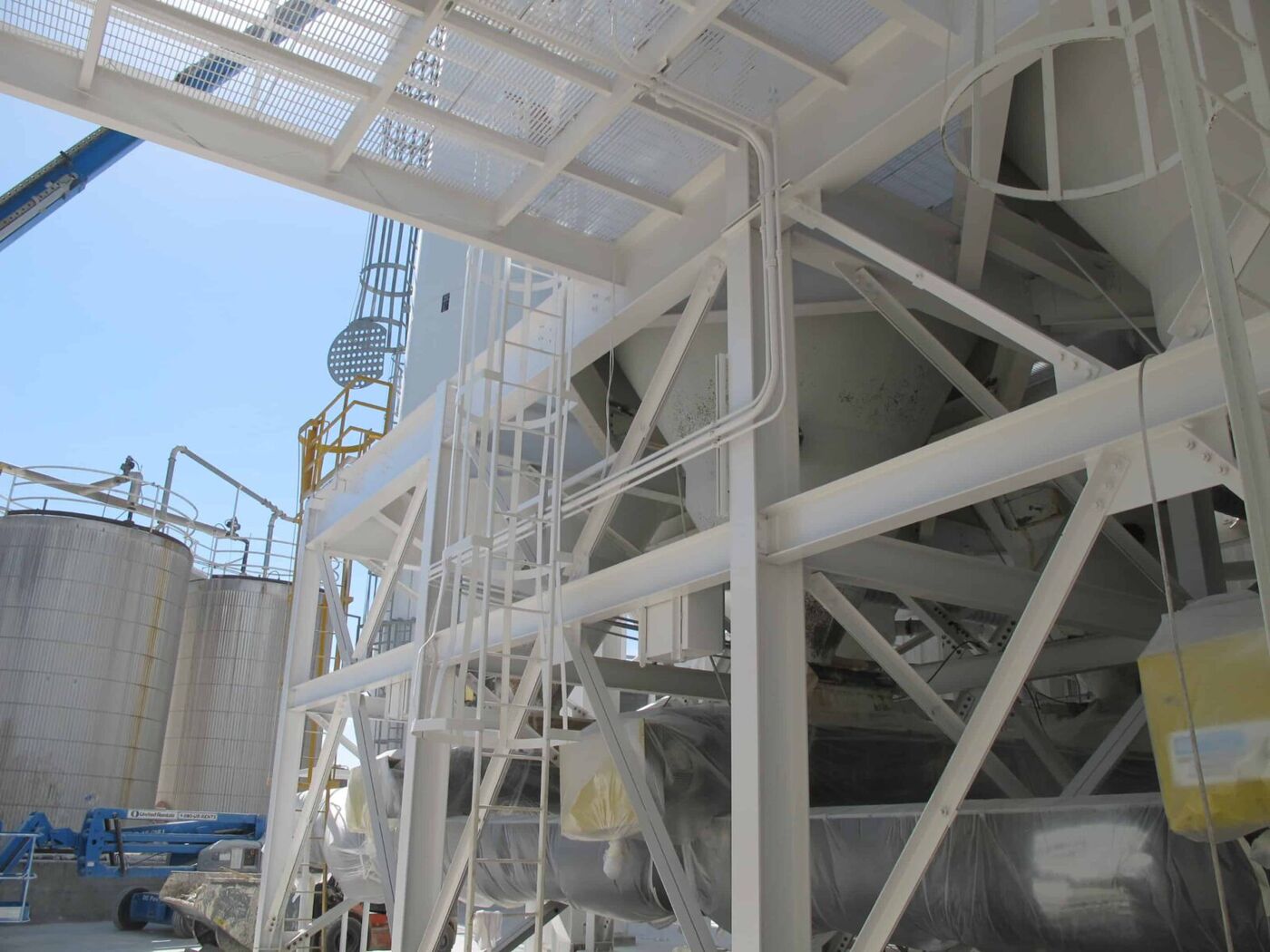 Structural steel coatingsVirtus NutritionStructural steel, hoppers and silos coated at a processing plant.
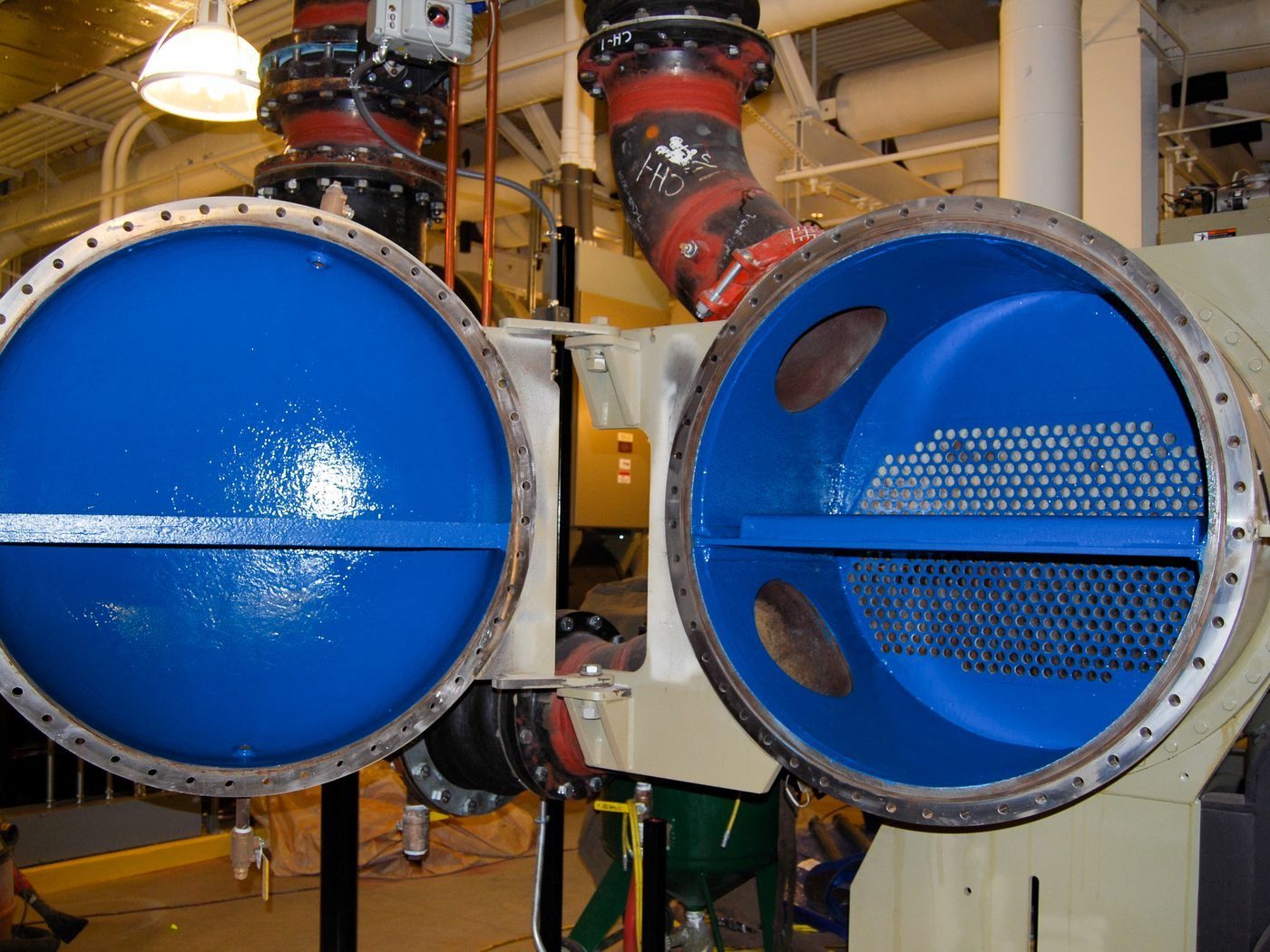 Chiller water boxesDuPont FabrosChiller water boxes relined in a data center plant room.
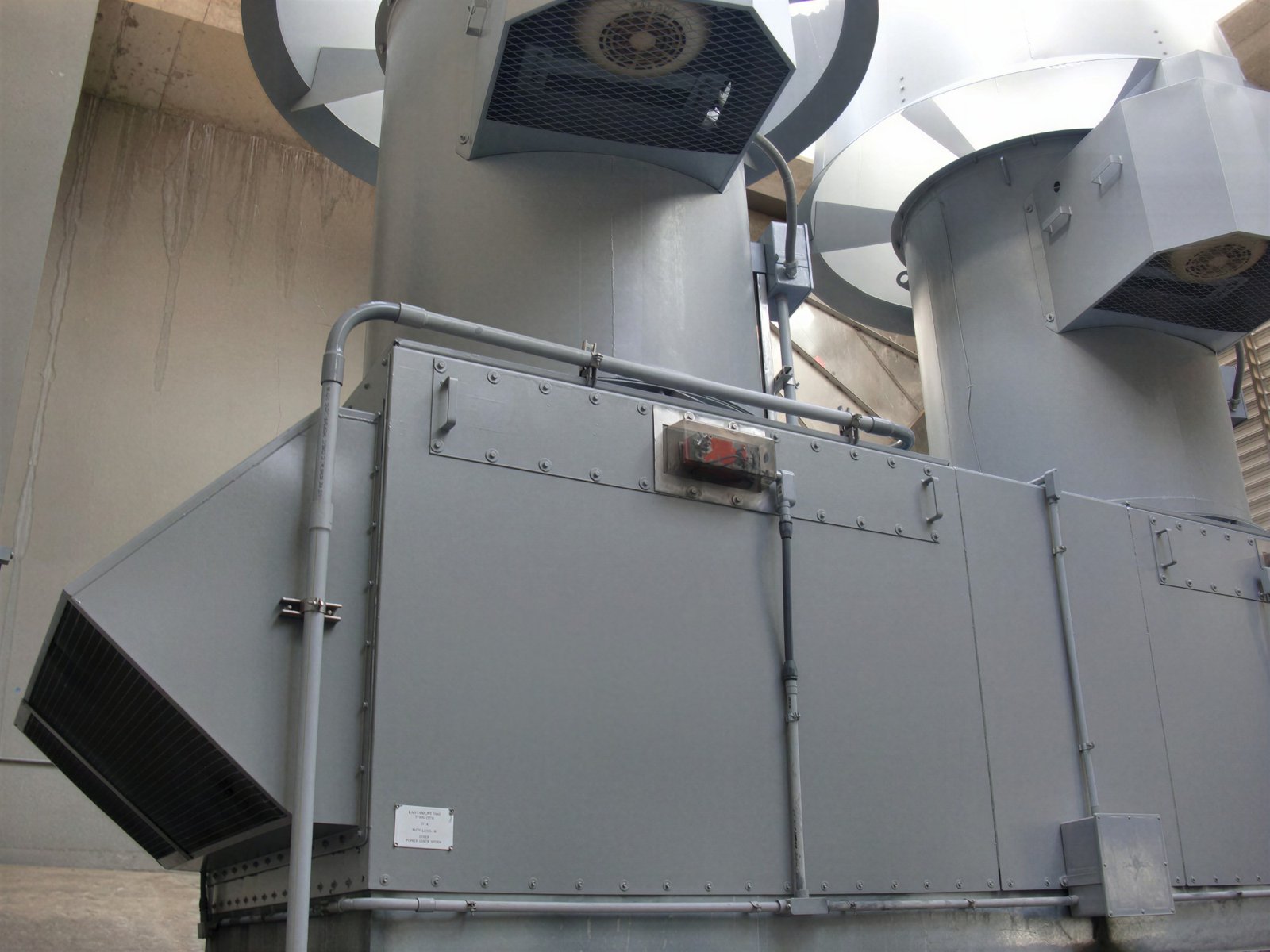 Machinery coatingsNational Oceanic & Atmospheric AdministrationWe were contacted by an HVAC Fan manufacturer Toro-Aire with a big problem.
Industrial painting
More industrial painting
Can you paint inside the plant without stopping production?
Yes. We phase the work by area or line and schedule it between shifts, at night, or on weekends. Bigger jobs, or areas that can’t be worked around, fit inside a planned shutdown.
What paint holds up to washdowns and chemicals?
An epoxy system, usually with a polyurethane topcoat. The exact product depends on what the surface sees, so tell us which chemicals and cleaners are used in the space and how often it’s washed down, and we’ll match the system to it.
How do you protect our equipment?
Sensitive equipment is covered, the work area is contained to keep dust and overspray in, and any machinery we coat is shut down and locked out by your team first.
How often should a plant interior be repainted?
It depends on what the surfaces go through. Walls in a dry warehouse can go years, while areas with daily washdowns or chemicals need attention sooner. A maintenance program catches the worn spots first, so you’re not repainting the whole plant at once.
Do you coat the plant floor too?
Yes. Floors get their own system, such as epoxy, urethane, or a chemical-resistant coating, and our floor crews can do them as part of the same project.