

Waterproofing and elastomeric coatings
Epoxy grout injection and crack repair
Epoxy or polyurethane injected into cracked or leaking concrete, so the crack is sealed and bonded from the inside. No digging and no demolition.
Overview
Fixing the crack from the inside
A patch on the surface hides a crack for a while. Water and movement keep working behind it, and the crack opens again. Epoxy grout injection goes after the whole crack. Resin is pumped into the concrete under controlled pressure, fills the crack and the voids around it, and bonds to the concrete as it cures. The leak stops and the section is solid again, without excavation or tearing anything out.
Epoxy or polyurethane
- Epoxy injection: for structural cracks. Epoxy cures hard and bonds to the concrete, restoring the strength of the cracked section. It seals out water too.
- Hydrophilic polyurethane: for active leaks. It reacts with water and expands into a flexible foam that follows the water through the crack and seals it.
- Hydrophobic polyurethane: a dense barrier that doesn’t absorb water, for long-term waterproofing of cracks and joints.
Many jobs use both: epoxy to stabilize, polyurethane to keep the water out. We choose after looking at the crack width, the moisture, and the load the concrete carries.
Find the cause first
Before we inject, we want to know why the concrete cracked: settling, too much load, vibration, or water breaking it down. Some cracks are ours to fix right away. Some need an engineer to look at them first, and we’ll tell you when that’s the case.
Where we inject
Below-grade walls and slabs in parking garages and basements, foundations, retaining walls, warehouse docks and expansion joints, equipment bases, containment pits and trenches, tunnels, and piers and support towers.
Surface cracks in walls and decks are a different job. Those are sealed and coated as part of concrete and masonry restoration.
Little downtime
Nothing gets dug up or torn out, so the building keeps working while we inject. A garage stays open around the area we’re in, and a plant keeps running around the pit or base being repaired. Our crews follow OSHA and EPA requirements on every job.
Projects
Waterproofing projects
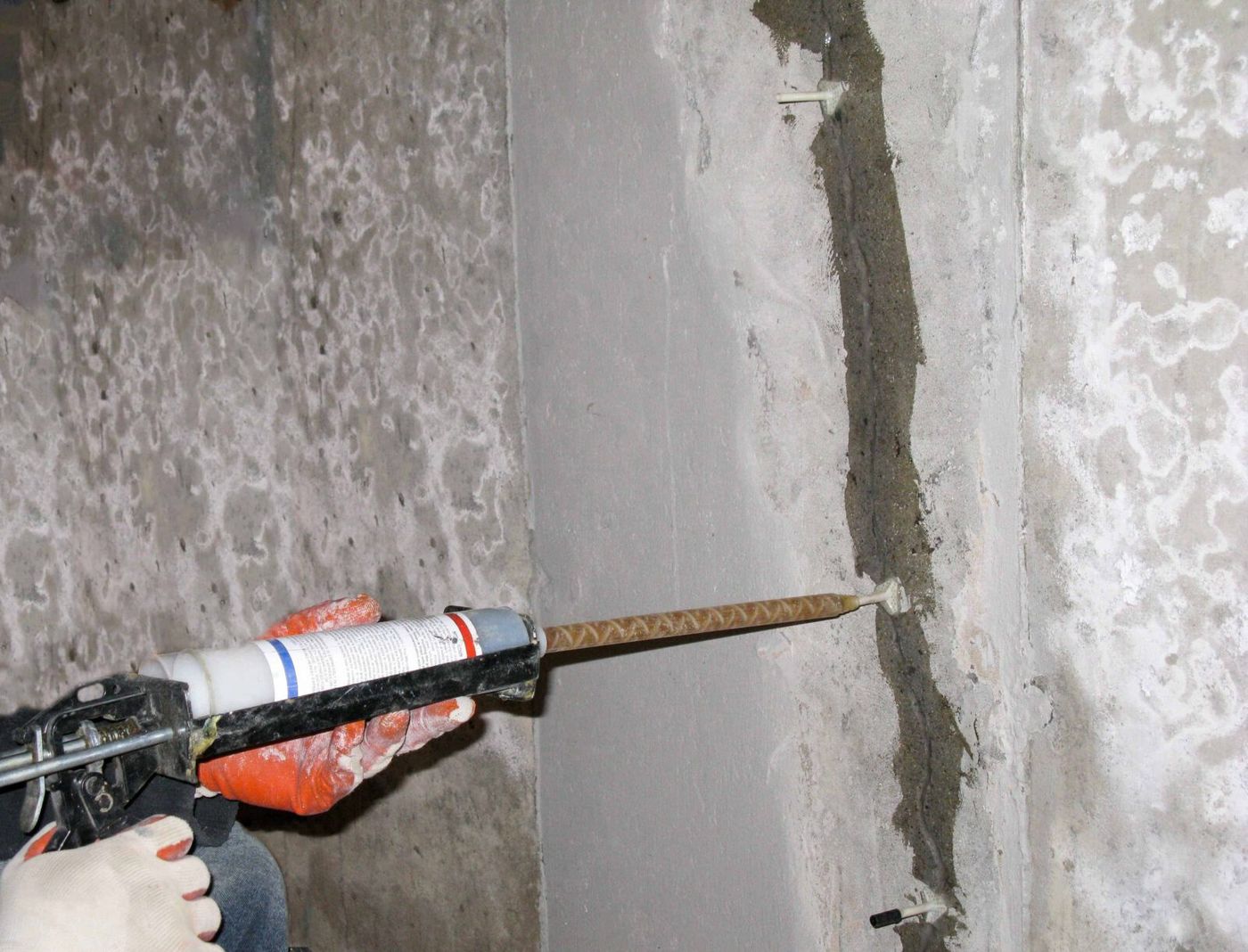 Elastomeric coatingsRunway Playa VistaWe provided epoxy grout injection throughout the building as well as Elastomeric…
 Elastomeric waterproofingWilshire ComstockTwin 22-story towers, coated in 1999 and again in 2011.
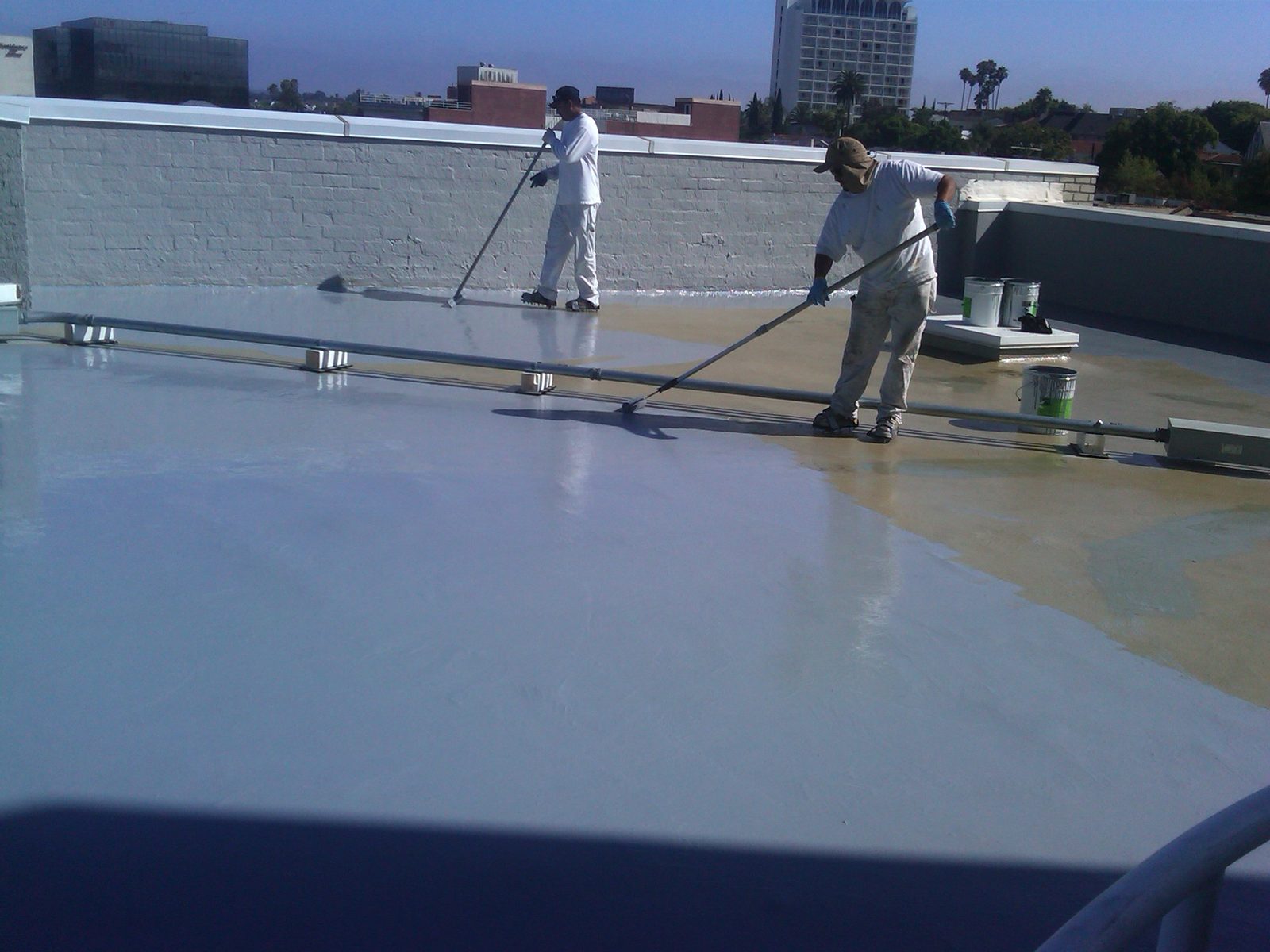 Deck waterproofingCBRE – Beverly Hills Roof CoatingWaterproof Elastomeric roof coating
Waterproofing and elastomeric coatings
More waterproofing and elastomeric coatings
What is epoxy grout injection?
A way to repair cracked concrete from the inside. Ports are set along the crack and epoxy resin is pumped in under pressure until the crack is full. Once it cures, it bonds the concrete back together and seals out water.
Can you stop a leak that’s running right now?
Usually, yes. Hydrophilic polyurethane reacts with the water in the crack and expands to seal it, so it’s the usual pick for active leaks in garages, basements, and below-grade walls.
Do you have to dig around the foundation?
No. Injection is done from the inside face of the wall or slab, so there’s no excavation and the building stays in use. Waterproofing that means digging out the outside of a foundation wall is a different job.
Will injection make a cracked slab strong again?
For a structural crack, epoxy is the fix. It cures hard and bonds to the concrete, restoring the strength of the cracked section. If the crack comes from settling or overload, the cause has to be dealt with too, and an engineer may need to sign off first.
How do you know the repair worked?
After the resin cures, we remove the packers and inspect the repair, with a leak test where it makes sense. Every job is documented, so you have a record of what was injected and where.