

Services
Commercial and industrial floor coatings
Epoxy, urethane, and elastomeric floor systems for warehouses, plants, parking structures, and food facilities. Prepped right so they stick.
Overview
Floor coatings that stick
A commercial epoxy floor coating should take forklifts, chemicals, washdowns, and years of traffic. Ours do because we test the slab, prep it properly, and match the system to how the floor gets used.
How we coat a floor
First we inspect the floor: condition, foot and vehicle traffic, and exposure to moisture, heat, or chemicals. Then we get the surface ready, with shot blasting or diamond grinding to open up the concrete, repairs to cracks and spalls, and moisture testing so the coating isn’t fighting water from below. Then we put down the right coating: primer, body coat, and topcoat, applied on schedule and in phases if the facility is open.
Floors back in service fast
Most facilities can’t close for a floor. We use fast-dry systems where the schedule is tight, and we coat in sections so one area is back in use while the next one is being done. Nights, weekends, and shutdowns are all options.
Projects
Floor coating projects
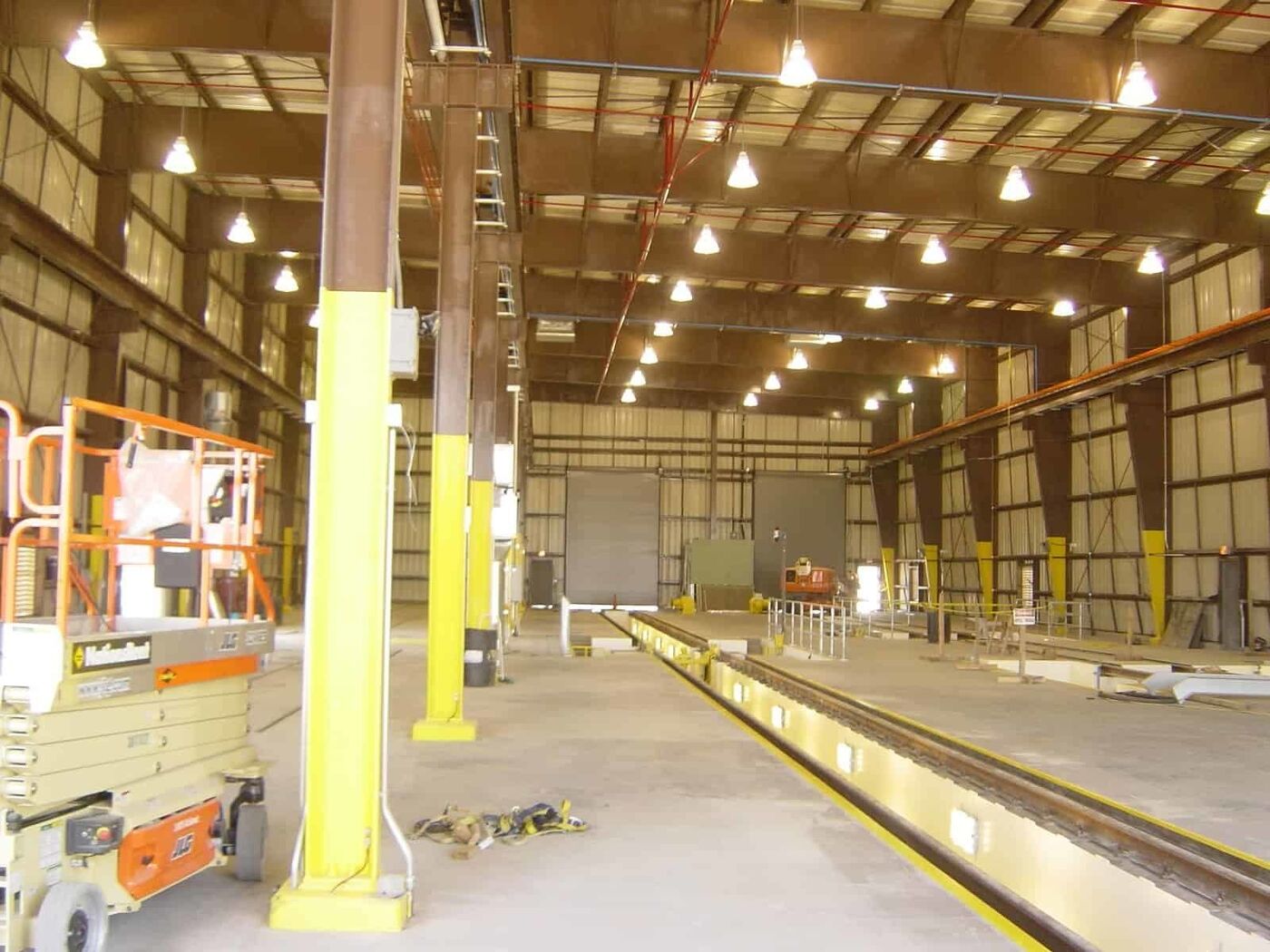
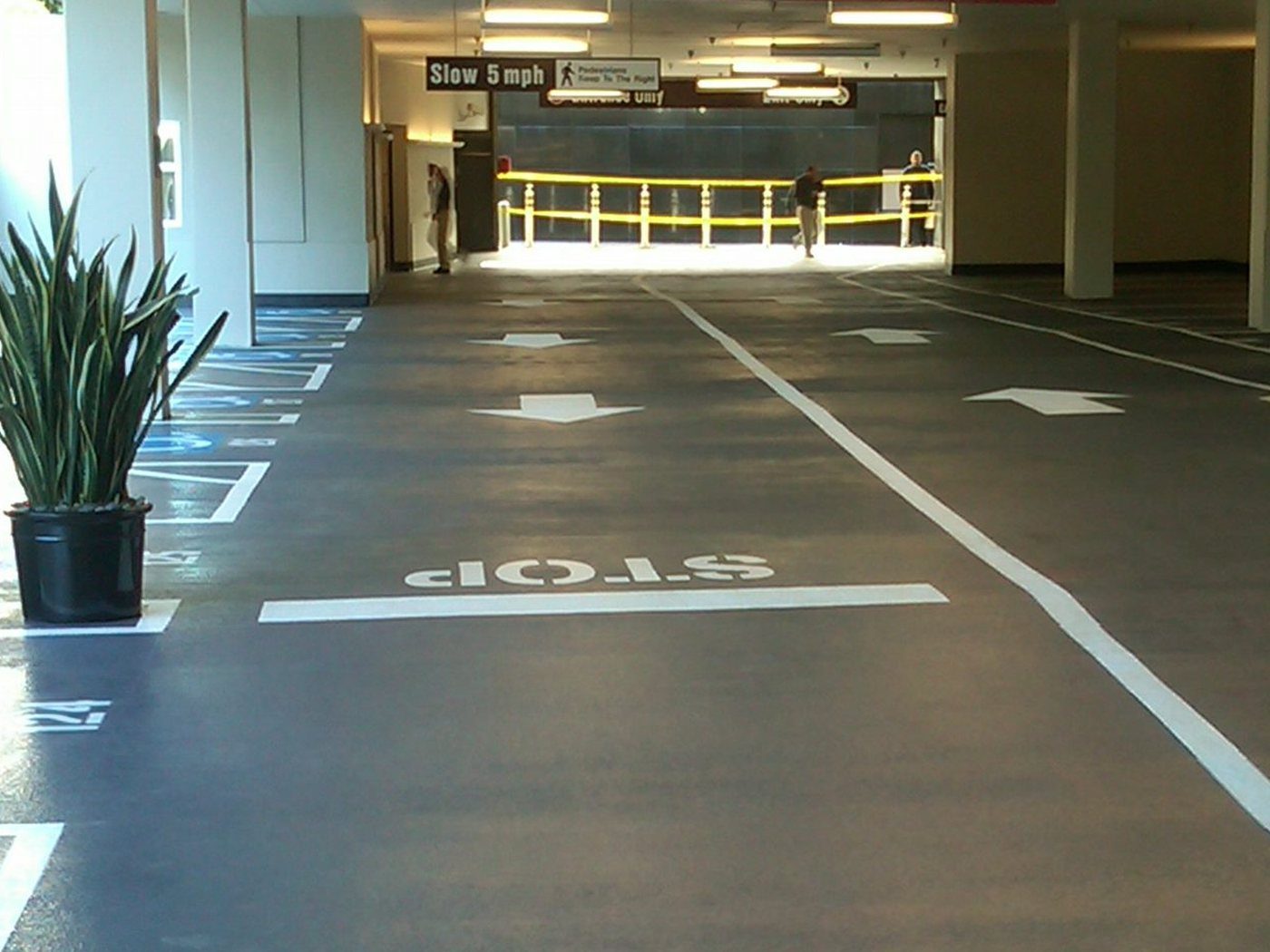
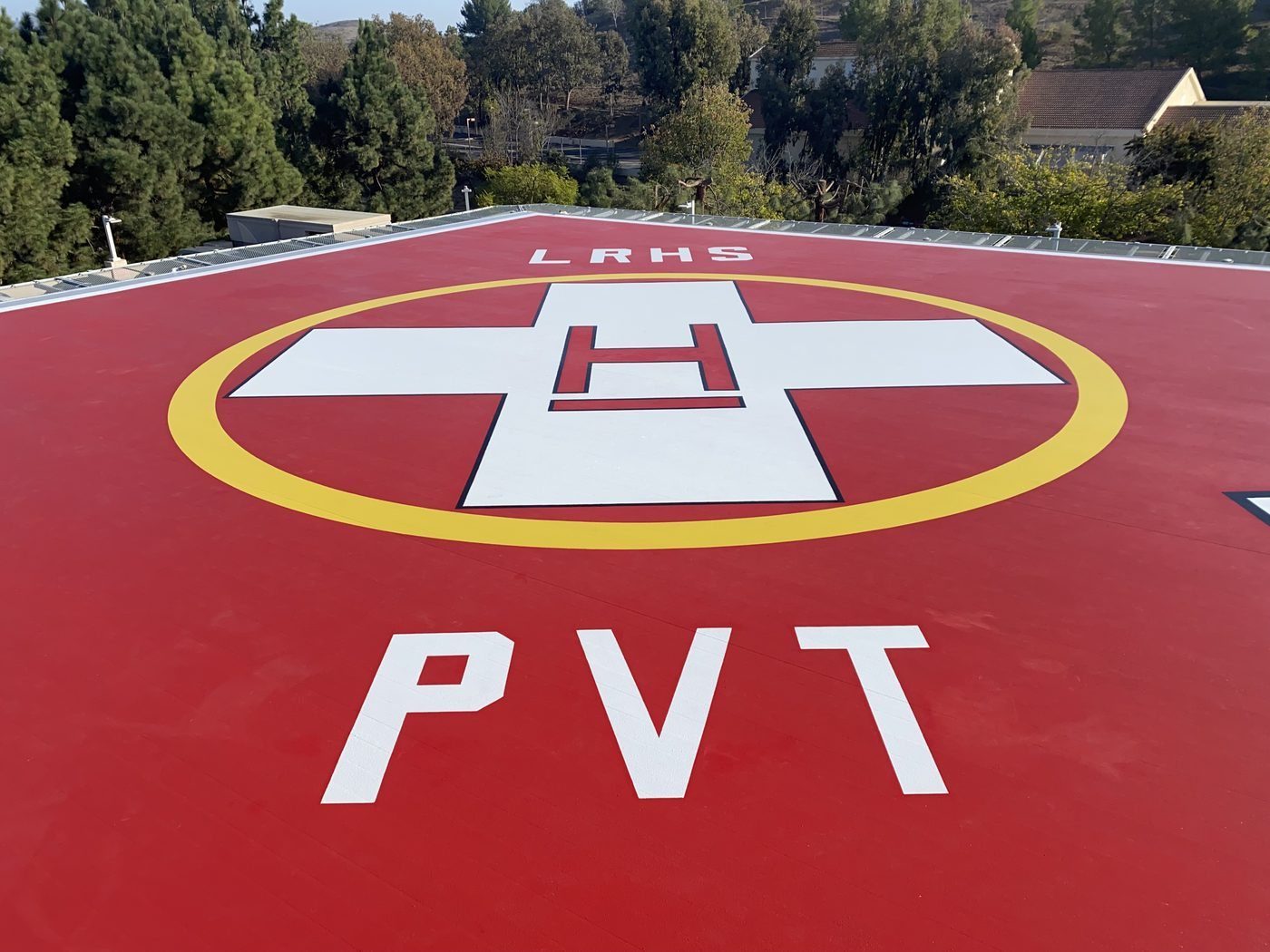
Services
Floor coatings we install
- Epoxy and fast-dry epoxy Hard-wearing, seamless floors for warehouses and plants, with fast-dry systems for tight schedules.
- Elastomeric deck coatings Waterproofs exposed decks, walkways, and parking structures and flexes with the slab.
- Chemical-resistant floors For acids, oils, and solvents in food plants, labs, and mechanical rooms.
- Anti-skid and traffic markings Slip-resistant texture in wet areas, plus lines and markings that guide people and vehicles.
- Anti-static and ESD floors Controls static discharge around sensitive equipment.
- Color coding and striping Safety lines, aisle markings, and color-coded zones.
How long before we can drive forklifts on a new floor?
It depends on the system and the temperature in the building. Fast-dry systems return to service soonest. We give you walk-on and drive-on times for your floor in the estimate, and we phase the work so part of the floor is always open.
Epoxy or urethane: which one does my floor need?
Epoxy is the hard, thick layer that handles forklifts, impact, and abrasion. Urethane is more flexible and holds up better to thermal shock and hot washdowns, so it’s often the topcoat over epoxy or the choice where the floor moves or gets hot. Many floors use both: epoxy for build, urethane on top.
Can you coat a floor in a food plant?
Yes. We install FDA and USDA approved floor systems with cove base and anti-skid texture for processing areas, commercial kitchens, and cold storage.
Do you coat home garage floors?
No. We only do commercial and industrial work. Commercial garages and service bays, yes.