

Concrete deck and floor coatings
Chemical resistant floor coatings
Floors that stand up to acids, oils, solvents, and harsh cleaners. We match the coating to the chemicals your floor actually sees.
Overview
What chemicals do to a floor
Spills and cleaning chemicals are one of the most common reasons floor coatings fail. The wrong coating discolors, cracks, or starts to give off odors, and once the chemical reaches the concrete, it eats at the slab. A chemical resistant floor coating keeps that from happening, and it stays easy to clean under heavy foot and equipment traffic.
Matching the coating to the chemical
No single coating resists everything. A shop floor that sees motor oil needs something different from a lab that sees acids or a kitchen scrubbed with sanitizer every night. So we start with a list: what gets spilled or used, how strong it is, how hot it is, and how long it sits before cleanup. Then we pick a chemical resistant epoxy or urethane system for those conditions.
Most of these systems are two-part coatings. They have to be measured and mixed exactly, or they won’t cure properly and the floor has to be redone. Our crews mix on site and apply to the manufacturer’s specs.
Safer underfoot
Wet, chemical areas get slippery. We can broadcast an aggregate into the coating for an anti-skid surface, and add a cove base where the floor meets the wall so spills can’t get under the edge.
A floor over a client area
At a Southern California mortuary, the second-floor embalming area needed a floor that was fully watertight, because it sat directly over a client area, and that could take constant formaldehyde use. We researched the system with several experts and finished in two months, on deadline and on budget, without interrupting the business. The project made the cover of Coatings Pro Magazine.
If your floor doesn’t need a chemical resistant system, we’ll tell you, even if it talks us out of the job.
Projects
Chemical resistant floor projects
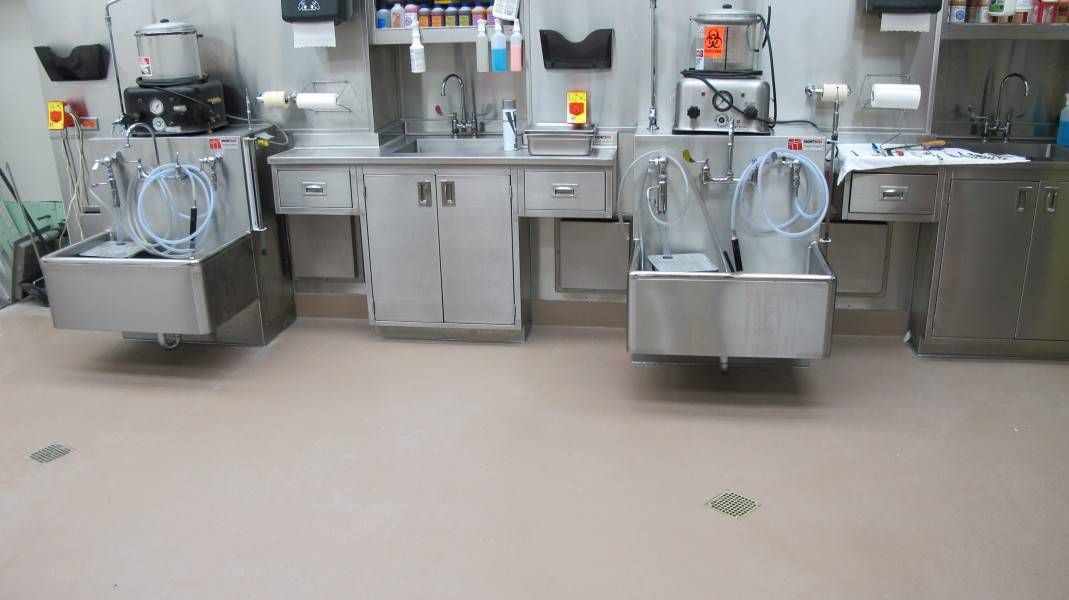 PaintingSouthern California MortuaryA busy mortuary in Southern California came to us when they needed the concrete deck…
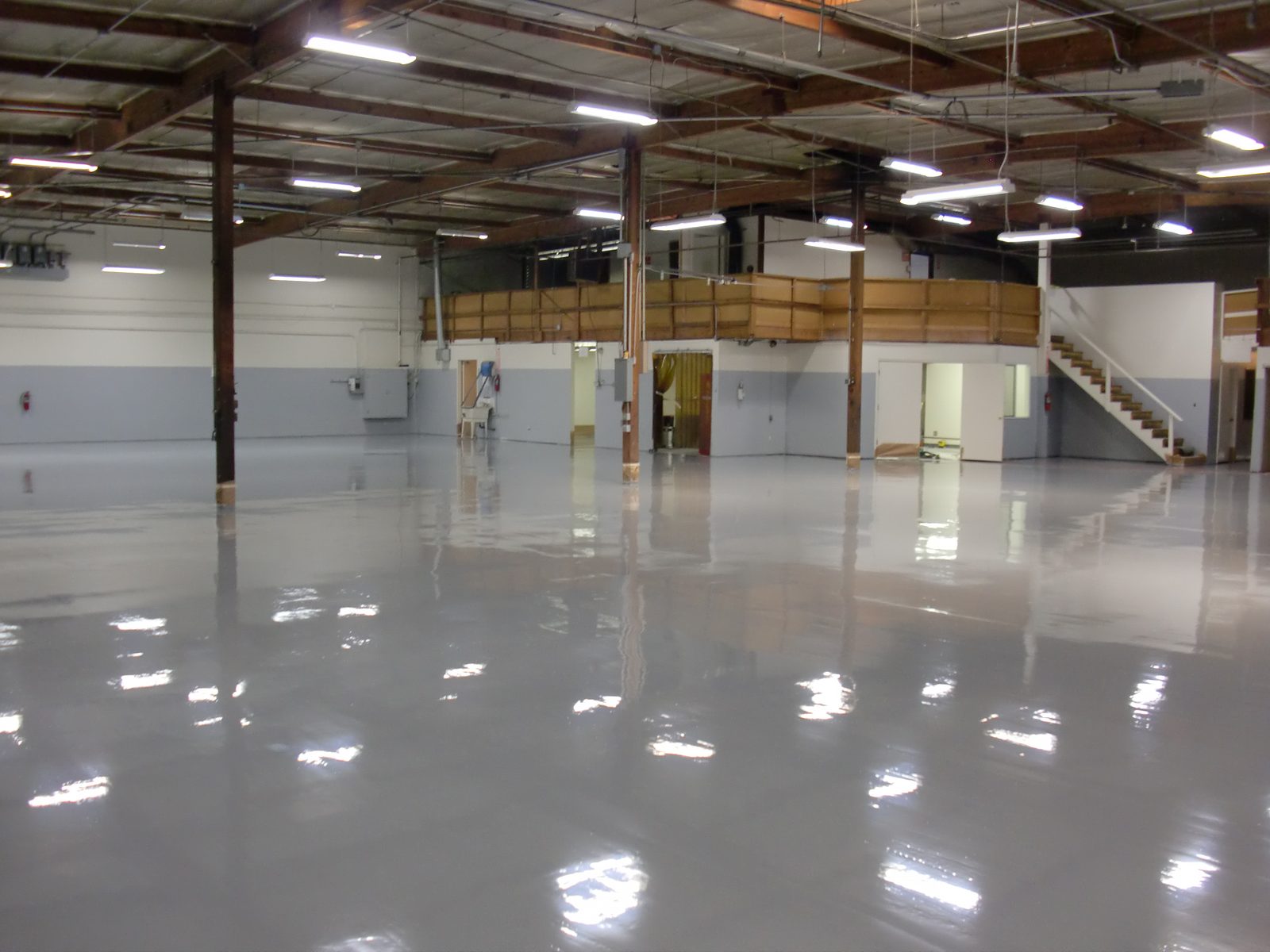 Epoxy floor coatingAccumachineFixing an epoxy floor coating failure
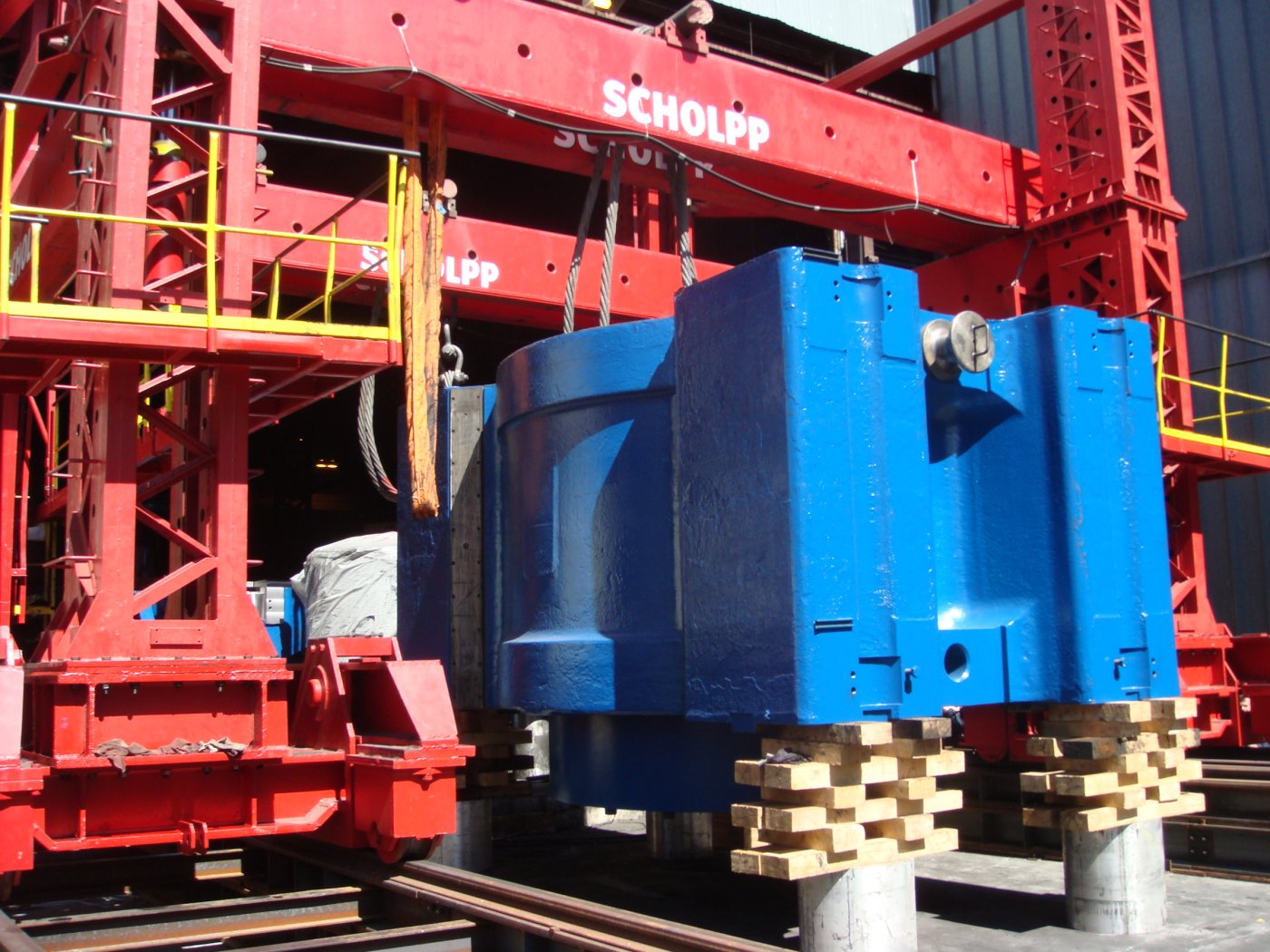 Heavy machinery coatingsWeber MetalsWeber Metals is the home of a 12,000-ton press that only one team in the world is…
Concrete deck and floor coatings
More concrete deck and floor coatings
- Epoxy and fast cure floor coatings Hard, seamless epoxy floors, with fast-dry systems for tight schedules.
- Elastomeric floor coatings Elastomeric waterproofing for decks, balconies, walkways, and parking decks.
- Color coding, safety striping and directional markings Safety lines, aisle markings, and color-coded zones.
- Broadcast, anti-skid and traffic coatings Slip-resistant texture for wet floors, ramps, and parking decks.
- Anti-static and ESD floor coatings Controls static discharge around sensitive equipment.
- Polished and stained concrete Polished and stained concrete for lobbies, showrooms, and malls.
- Polyurethane and UV protective floor coatings Clear finishes and UV topcoats that keep floors and decks from fading.
- Industrial floor coatings Plant and warehouse floors, with a system matched to each area.
What is a chemical resistant floor coating?
A floor coating made to hold up to acids, oils, solvents, and cleaning chemicals without staining, softening, or breaking down. Most are two-part epoxy or urethane systems, chosen for the specific chemicals on your floor.
Is epoxy chemical resistant?
Yes, to many chemicals, which is why it’s the most common choice. But epoxies vary, and some strong acids and solvents need a tougher system. Tell us what’s on your floor and we’ll recommend the right one.
Do you coat tanks and equipment for chemical resistance too?
Yes. Tank linings and coatings for steel and process equipment have their own page: chemical resistant coatings under Structural Steel and Machinery.
Can you coat while the plant is running?
Yes. We work nights, weekends, between shifts, and during shutdowns, and we coat in sections so the rest of the floor stays in use.