

Structural steel, machinery and epoxy coatings
Corrosion control coatings
Corrosion protection coatings for steel, tanks, and equipment that sit in salt air, chemical fumes, or humidity. Built in layers, tested as they go on, and applied by skilled technicians.
Overview
How corrosion protection works
Rust starts quietly. Oxygen and moisture react with bare metal and form oxides that grow and break the metal down. Salt air, chemical fumes, high humidity, and big temperature swings speed it up. Left alone, it weakens beams, frames, tanks, and piping, and it ends in repairs and downtime. An anti-corrosion coating keeps water, oxygen, and contaminants off the metal so the reaction can’t get started.
A system, not a single coat
Good corrosion protection is built in layers, and each layer has a job. The first is usually a zinc-rich primer. Zinc protects steel sacrificially: even if the coating gets scratched, the zinc corrodes before the steel does. Over it goes an epoxy coat for chemical resistance and build. On top, a polyurethane or polysiloxane topcoat holds its color and gloss in the sun and resists abrasion. Where the exposure is extreme, polyurea or ceramic coatings take more chemical attack and impact. Which system fits depends on the exposure: marine air, humidity, chemical vapors, or frequent cleaning.
Prep and testing
A coating can’t stop rust it’s sitting on. Rust, mill scale, oil, and contaminants come off first, by abrasive blasting, mechanical cleaning, or solvent degreasing, to the standard in the spec, such as SSPC-SP 10 or NACE No. 2. We coordinate the blasting work and oversee it as part of the job. As the coats go on, we check adhesion and dry film thickness and run holiday detection, which finds pinholes and thin spots before they turn into rust.
Where we’ve done it
At the Santa Monica Pier, the steel ride supports sit over salt water. The steel was blasted and coated in phenolic epoxy with a polyurethane topcoat, with scaffolding bolted under the pier and full encapsulation to keep debris out of the water. At Sierra Silica in Oroville, we coated ten 30,000-gallon tanks and silos and about 50,000 linear feet of steel I-beams. At Dallas/Fort Worth Airport, we primed and topcoated a full-size A380 mockup the airport fire department trains on.
Projects
Corrosion control projects
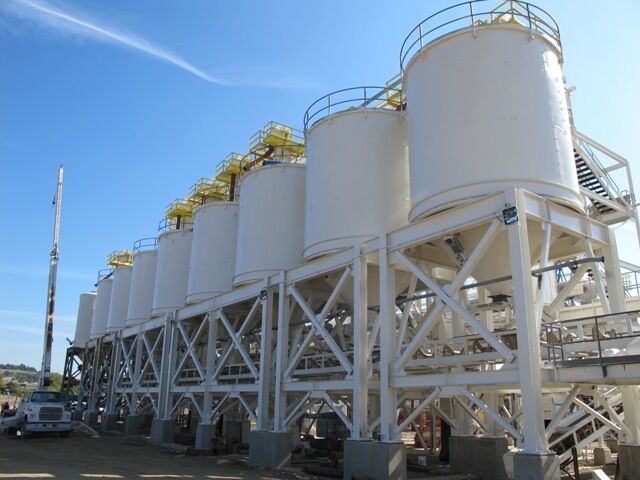 Corrosion controlSierra Silica ResourcesTen 30,000-gallon tanks and silos, plus steel I-beams.
 Corrosion controlTreasure Island – Dancing Lady StatueTreasure Island is an artificial island in San Francisco Bay and a neighborhood of the…
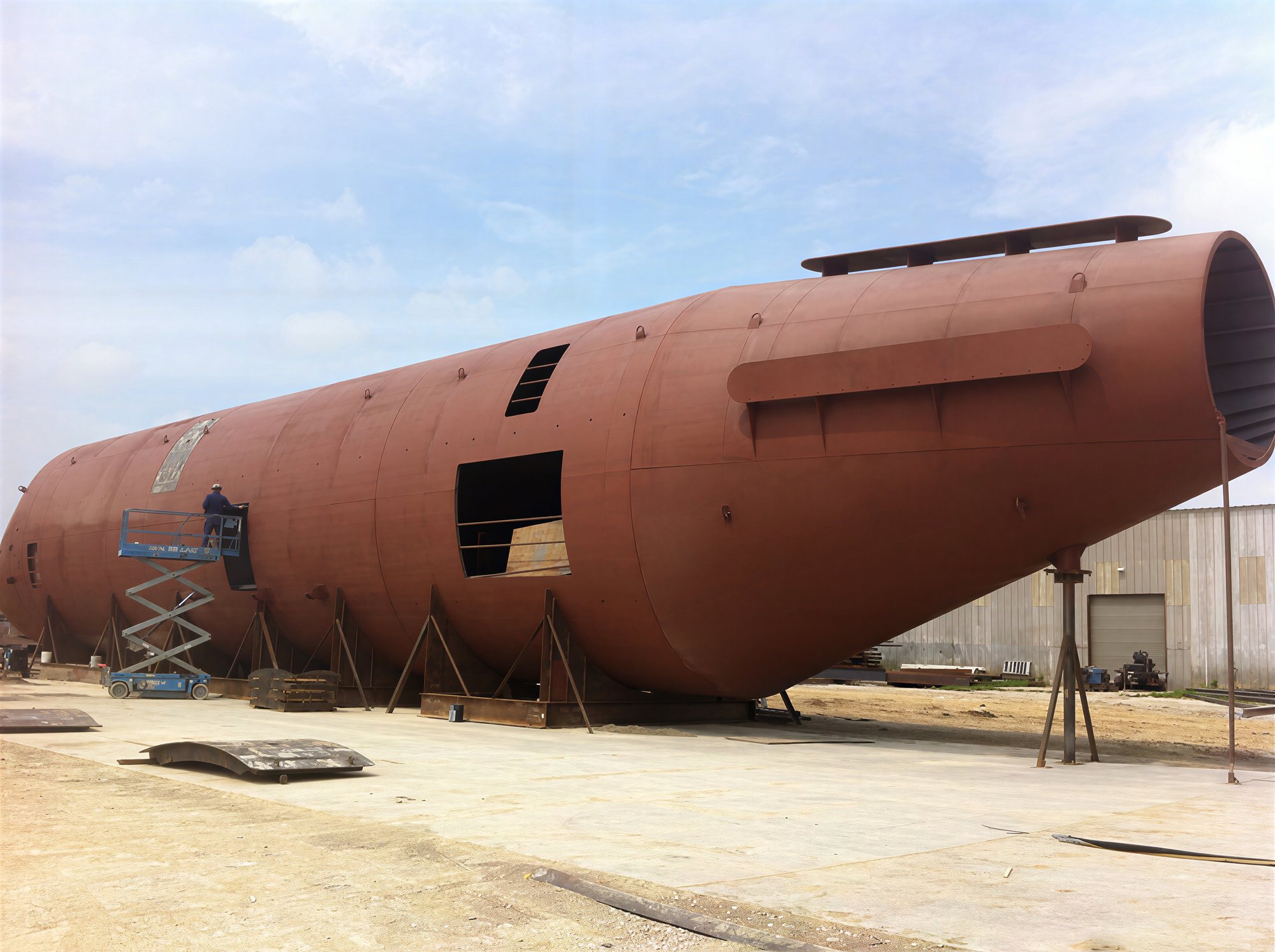 Corrosion controlA380 Fire Dept. Trainer at KDFWCorrosion control for intensive disaster training facility at Dallas/Fort Worth Airport
Structural steel, machinery and epoxy coatings
More structural steel, machinery and epoxy coatings
- Machinery and equipment coatings Coatings for cranes, pumps, fans, and production equipment, applied in place.
- Structural steel coatings Beams, columns, towers, and support steel, prepped and coated to spec.
- High temperature coatings Heat-rated coatings for stacks, ovens, exhaust, and hot equipment.
- Chemical resistant coatings Epoxy and specialty coatings for tanks, steel, and process equipment that see chemicals.
- Polyurethane and UV protective coatings UV stable polyurethane topcoats for outdoor steel, tanks, and equipment.
- Pipe and conduit coatings Coatings for process piping, rooftop pipes, and pipe supports.
What is the best coating for corrosion protection?
There isn’t one best coating. For most steel it’s a system: a zinc-rich primer, an epoxy middle coat, and a polyurethane or polysiloxane topcoat where the steel sees sun. Milder exposures can take a direct-to-metal coating. Salt air, chemicals, and heat each change the answer, so we look at the exposure first.
Can you coat over rust?
Not over loose rust. Loose rust and scale come off first, or the new coating fails along with them. On lighter corrosion, power tools and hand tools take the loose rust off and a rust-inhibiting primer goes on. Heavier corrosion gets blasted. We tell you which your steel needs at the site visit.
How long does a corrosion protection coating last?
It depends on the system, the prep, and the exposure. At the Sutro Tower, in San Francisco fog, the epoxy system we applied was expected to protect the steel for 10 years before recoating. A maintenance program catches the spots that go first, so the whole structure doesn’t need to be redone.
Do you do corrosion control outside California?
Yes. We work nationwide. At Dallas/Fort Worth Airport, the A380 fire training mockup was blasted, primed with a rust-inhibiting primer, and topcoated after it was moved and reassembled on site.