

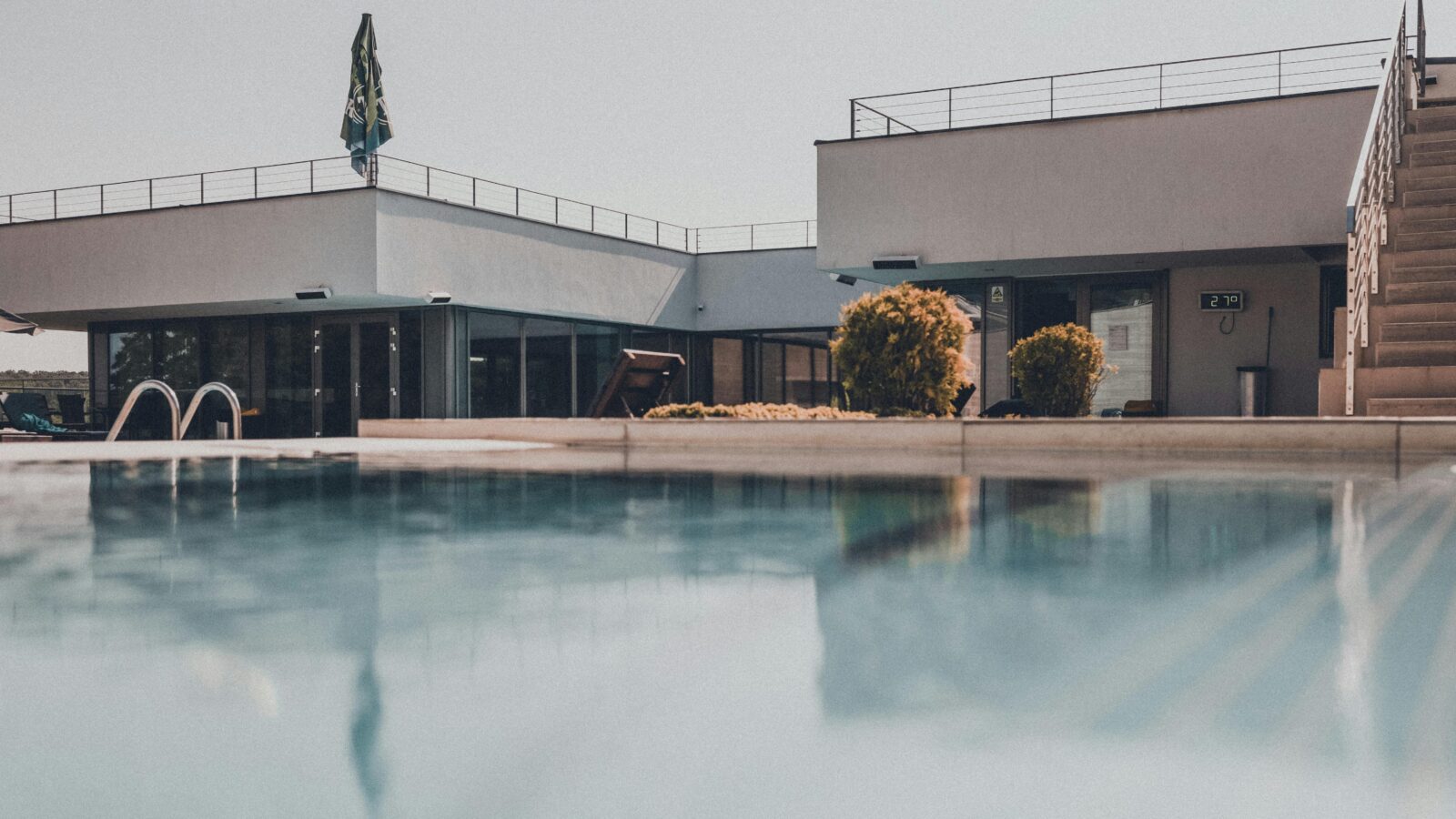
Repairing submerged surfaces is a challenge most maintenance teams dread. Draining a commercial pool or emptying a tank isn’t just time-consuming; it can also halt operations and inflate costs. That’s why underwater epoxy has become the go-to solution for long-lasting, in-place repairs.
From industrial tanks to aquatic facilities, the ability to apply a tough, reliable coating below the waterline changes everything. In this guide, we’ll explain what underwater epoxy is, how it works, and why it’s trusted across commercial and industrial environments.
If you manage infrastructure that holds or moves water, this is a solution you’ll want to understand.
What Is Underwater Epoxy?
Underwater epoxy is a two-part resin system engineered to bond and cure directly on wet or fully submerged surfaces.
Unlike traditional epoxies that break down upon exposure to moisture, underwater formulations use a moisture-tolerant polyamine hardener and hydrophobic resin base that actively repels water during application. This ensures proper adhesion and curing in conditions that compromise most other coatings.
Once mixed, the resin and hardener begin a chemical reaction that forms a dense, cross-linked polymer network. This cured epoxy develops into a tough, plastic-like barrier that resists cracking, delamination, and chemical attack, even when submerged long term.
The key benefits of underwater epoxy include:
- Adhesion: Underwater epoxy forms a strong bond with wet or damp substrates such as concrete, metal, tile, and fiberglass, even in fully submerged environments.
- Waterproofing: Once cured, it creates a seamless, watertight barrier that prevents leaks and protects structural integrity.
- Chemical Resistance: It resists breakdown from chlorine, saltwater, industrial fluids, and wastewater, making it suitable for chemically aggressive environments.
This combination of performance characteristics makes underwater epoxy a dependable choice for submerged surfaces in commercial pools, tanks, and infrastructure.
Common Applications for Underwater Epoxy
Facilities that store or transport water need durable solutions that don’t compromise uptime. That’s where underwater epoxy delivers unmatched value. It’s a versatile solution for long-term structural protection and repair across various sectors.
Swimming Pools
Minor structural issues in commercial pool systems can quickly escalate if left unaddressed. Using underwater epoxy for swimming pools, maintenance crews can repair cracks, seal pipe entries, and reinforce weakened areas while the pool remains filled.
These epoxies bond to plaster, tile, fiberglass, and concrete, delivering a fast and dependable fix without disrupting daily use.
Water Tanks (Potable and Wastewater)
NSF-certified potable water tank coatings in potable water systems create a durable barrier that prevents leaching and maintains water quality. These epoxies are specifically formulated for safe use in drinking water environments and can be applied without emptying the tank.
For wastewater infrastructure, epoxy tank coating helps protect interior surfaces from corrosive chemicals, gases, and constant moisture exposure.
In both cases, underwater application keeps tanks in service during repairs, reducing disruption and preserving the structural integrity of concrete and steel substrates.
Marine and Dock Structures
Saltwater exposure and constant movement can deteriorate pilings, seawalls, and dock components. Underwater epoxy coatings reinforce these surfaces, preventing corrosion and adding long-term stability even below the waterline.
Industrial Pipes and Submerged Concrete
From containment structures to submerged pipelines, underwater repair epoxy can seal leaks and protect infrastructure exposed to continuous moisture or aggressive fluids. These applications benefit from the epoxy’s strong adhesion and chemical resilience.
How Underwater Epoxies Work
Unlike standard coatings, underwater repair epoxy is designed to cure through a chemical reaction unaffected by water. These systems are typically 100% solids (which means they contain no solvents that require evaporation) and use polyamine-based hardeners that don’t interact with moisture.
The curing process begins the moment resin and hardener are mixed. When applied, the viscous formula pushes water away from the surface and chemically bonds with the substrate as it hardens. This reaction creates a robust, waterproof seal, even in fully submerged conditions.
Common application techniques include:
- Grout injection to seal structural cracks
- Roller or brush application to coat large areas
- Hand-mixing and troweling for patching localized damage
Because of how underwater epoxies work, surface preparation is crucial in ensuring long-term performance. Substrates should be cleaned of marine growth, loose debris, and grease. Even underwater, achieving proper mechanical bonding requires scuffing or abrading the surface to promote adhesion. Sometimes, divers use specialized tools to prepare the repair site before application.
With proper prep and formulation, underwater pool epoxy or tank lining epoxy can provide years of protection.
Choosing the Right Epoxy for Pools & Tanks
Not all epoxies are created equal, especially when you need a product for sealing submerged infrastructure. The formulation you choose must match both the use case and the regulatory environment.
For drinking water systems, that means using portable water tank coatings that meet NSF/ANSI 61 standards. These coatings are designed for contact with potable water and won’t impact taste, odor, or water quality.
On the other hand, choose epoxies with high chemical resistance and long pot life for corrosive environments like wastewater tanks, marine pilings, or industrial cooling systems. Additionally, don’t overlook project-specific needs: substrate materials, cure time, exposure temperature, and coating thickness.
For example, applying underwater epoxy for swimming pools requires fast-set systems that adhere to smooth, pre-finished surfaces. By contrast, epoxy tank coating products for potable water tanks must be chemically stable, high-build, and resistant to disinfectants like chlorine and ozone.
At Raider Painting, we work with various industrial-grade epoxy systems and understand how to match coatings to the unique demands of tank interiors, including those used for drinking water storage.
Why Professional Application Matters
It’s not just the formulation that determines success, but how the epoxy is applied.
Underwater work introduces challenges that demand expertise: limited visibility, temperature fluctuation, current movement, and variable surface conditions. Improper mixing or uneven coverage can result in contamination or complete coating failure.
Professional applicators understand the chemistry and behavior of underwater repair epoxy in real-world conditions. They follow strict procedures for:
- Mixing ratios and working time
- Surface prep underwater or in high-humidity environments
- Controlled application via divers or remote systems
- Quality checks for uniform film build and adhesion
Professionals also bring critical knowledge of safety regulations and structural compatibility. This expertise minimizes rework and delivers better returns in high-value settings like utility tanks, public pools, and industrial sites.
Raider Painting applies this standard of care across every project. With over 35 years of experience using specialty epoxy systems, including underwater pool epoxy and industrial epoxy tank coating, our team delivers lasting results. We choose materials based on the specific environment and apply them with care, ensuring strong adhesion and reliable performance from the start.
Protect Your Infrastructure With Reliable Epoxy Solutions
Underwater epoxy has transformed how commercial and industrial teams approach submerged repairs. Its reliable adhesion, waterproofing, and chemical resistance allow critical infrastructure to stay online while receiving professional-grade protection.
Whether sealing a crack in a commercial pool or lining a corroded water tank, investing in the right epoxy and team delivers lasting value. Raider Painting provides tailored epoxy solutions for various industries, backed by decades of experience in complex coating environments.
Looking for durable repairs below the waterline? Explore our tank liner coating services or contact us today for your underwater repair needs.