

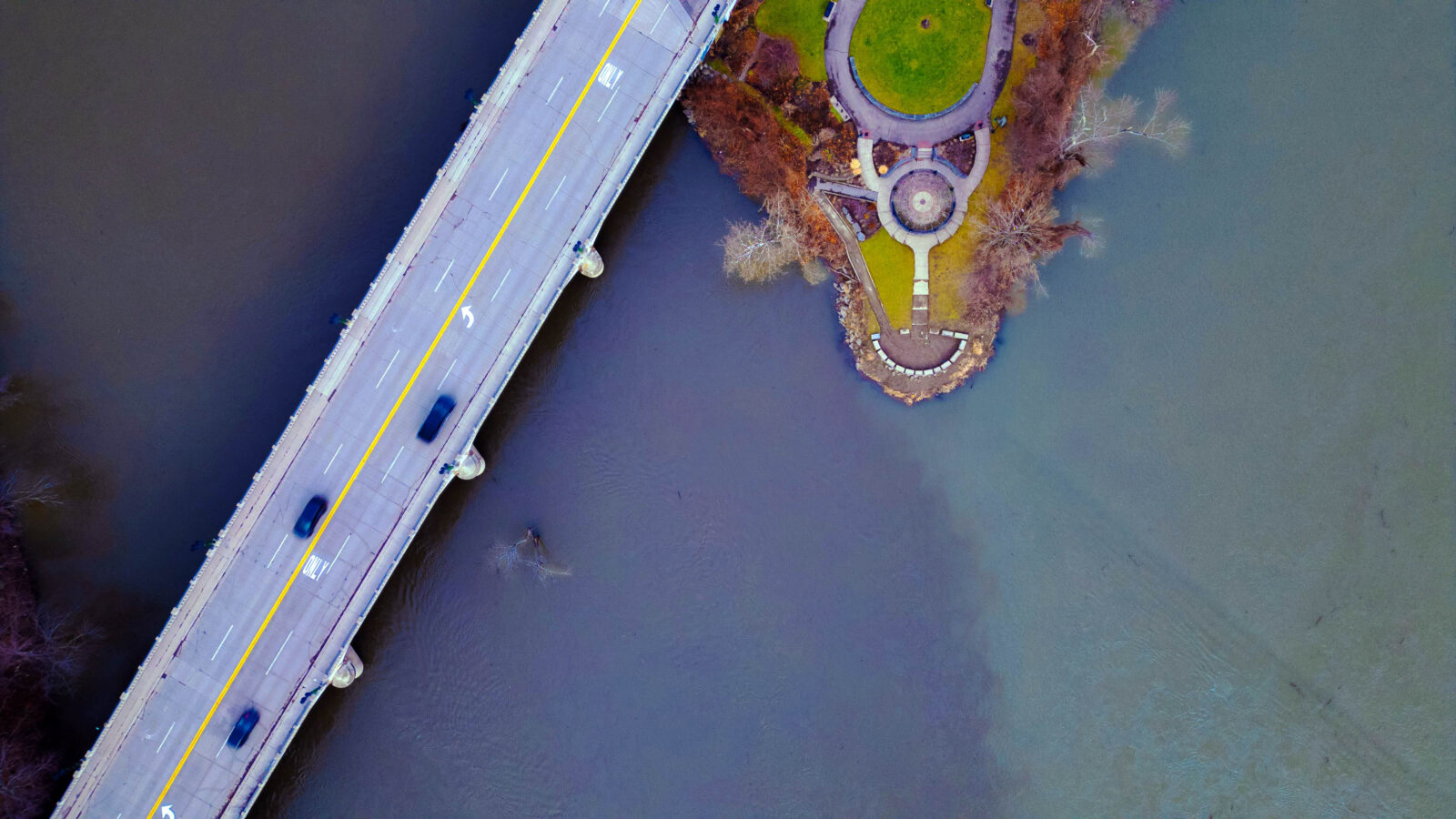
Bridges are vital links in our infrastructure network, and they’re constantly exposed to harsh elements that threaten their integrity. Over time, moisture, UV rays, temperature swings, and pollutants can weaken steel and concrete, leading to costly repairs or safety risks.
Industrial bridge painting helps protect structural steel from corrosion and environmental damage. When applied properly, these specialized coatings can significantly extend the bridge’s service life. This preservation helps ensure long-term reliability while minimizing the frequency of repairs.
In this post, we’ll break down the importance of industrial bridge coatings and cover key points, such as:
- The types of coatings commonly used
- How they help ensure compliance with industry standards
- The different application methods involved
- Why partnering with experienced professionals leads to longer-lasting structures
Why It Matters: Corrosion, Weather, and Wear
Bridges are built to last, but even the strongest structures degrade without proper protection. Common degradation factors include:
- Moisture and humidity, which promote corrosion on exposed steel surfaces
- Salt spray from coastal environments or de-icing chemicals used on roadways
- UV radiation can break down exposed coatings and concrete over time
- Airborne pollutants such as industrial emissions and acid rain
- Freeze-thaw cycles that cause cracking and spalling in concrete
- Constant vibration and traffic loads that wear down protective finishes
If left unchecked, these stressors can lead to premature corrosion and concrete failure. Professional coating systems consist of industrial-grade primers, sealants, and topcoats to form a protective barrier against these environmental stressors.
Seasoned contractors apply these coatings as part of steel bridge maintenance to help slow oxidation and prevent metal fatigue. These systems also reduce permeability and limit freeze-thaw damage on concrete surfaces.
Real World Case Study: The Norwegian Public Roads Administration has used a duplex coating system composed of zinc thermal-spray (metallizing) as well as a paint topcoat on steel bridges since the 1960s. Some bridges coated this way have gone 40 years or more without maintenance, demonstrating outstanding long‑term corrosion protection in harsh environments.
Applying the right protective coatings for infrastructure is a proactive step that extends the lifespan of the bridge, reduces maintenance costs, safeguards critical transportation assets, and minimizes safety risks over time.
Types of Bridge Coatings
Each type of industrial bridge coating is engineered to address specific challenges. They are designed to protect exposed steel, seal porous concrete, or protect against extreme weather.
Here are the most commonly used types of anti-corrosion coatings:
- Zinc-Rich Primers: These contain high levels of zinc dust and are designed as a sacrificial coating to protect underlying steel. If the coating is damaged, the zinc corrodes first, shielding the underlying metal from corrosion. This makes zinc-rich primers ideal for the base layer in multi-coat systems.
- Epoxy Coatings: These tough intermediate coats are known for their strong adhesion and chemical resistance. They provide a moisture-resistant barrier and are especially effective in humid or marine environments.
- Polyurethane Topcoats: Often used as the final layer, polyurethanes help protect against weathering, providing UV protection, color retention, and a smooth finish to add visual appeal.
- Moisture-Cured Urethanes (MCUs): This coating type is useful for projects where time is limited and in humid conditions. MCUs cure quickly and can be applied over minimally prepared surfaces, making them valuable for bridge rehabilitation.
- Elastomeric Coatings: Ideal for concrete bridges exposed to temperature swings and vibrations, these flexible systems accommodate minor movement and thermal expansion.
Together, these layers form a comprehensive coating system that resists abrasion and the elements. The bridge design, location, and service conditions will determine which coating specification should be used. Expert coating contractors, like those from Raider Painting, can tailor these systems to your infrastructure’s specific needs.
Application Process and Industry Best Practices
Applying industrial coatings is a complex process, especially when having to deal with live traffic and aging infrastructure. Each step must follow industry-recognized standards and protocols to ensure safety and long-term performance.
Here’s an example of how a typical coating project is executed:
- Surface Preparation: Old paint, rust, and contaminants are removed using abrasive blasting, water jetting, or mechanical cleaning. Surface cleanliness is verified against SSPC or NACE standards to ensure proper adhesion.
- Priming and Coating Layers: A multi-coat system is applied, usually beginning with a zinc-rich primer, followed by an epoxy mid-coat, and finished with a weather-resistant polyurethane topcoat. The exact combination varies based on the prevailing weather, the bridge’s location, substrate, and exposure conditions.
- Environmental Controls: Sun exposure, temperature, humidity, and wind conditions can affect curing and adhesion. Containment systems are often used to control overspray and prevent debris, especially for overwater or urban projects.
- Quality Assurance Inspections: Throughout the process, film thickness, adhesion, and surface profiles are tested to meet DOT specifications and manufacturer requirements.
Whether it’s a full recoating or bridge rehabilitation, professional teams ensure coatings are applied uniformly and in compliance with all local, state, and federal guidelines. This level of precision allows protective coatings to deliver the decades-long performance expected of modern infrastructure.
Benefits of Professional Bridge Painting Services
While some maintenance tasks can be handled in-house, industrial bridge painting is best left to seasoned professionals. The materials, safety protocols, application techniques, intensive preparation, and environmental regulations involved demand experience and precision. Working with professional crews ensures your coating investment pays off in long-term performance and durability.
Here’s what you gain by partnering with industrial coating experts:
- Consistent Quality Control: Professional teams follow strict inspection protocols, such as testing surface prep, coating thickness, adhesion, and curing conditions. This reduces the risk of premature failure and ensures coatings perform as specified.
- Safety and Regulatory Compliance: Bridge painting often involves confined spaces, heights, traffic management, and hazardous materials. Trained crews are equipped to work safely and comply with OSHA, DOT, and EPA regulations, reducing your liability.
- Durability and Lifecycle Cost Savings: Industrial coating can extend a structure’s service life by decades. High-performance systems minimize the need for touch-ups or full recoats, saving time and money across the asset’s lifespan.
- Specialized Equipment and Access Solutions: Professionals use the right gear for coating projects, such as lift trucks and suspended platforms. These tools help streamline operations for even the most complex environments, including overwater spans and hard-to-reach components.
- Tailored Solutions for Steel Structures: Steel bridges are especially vulnerable to corrosion without proper protection. A well-executed coating system offers lasting protection and simplifies steel bridge maintenance.
Having a trusted partner to deliver specialized coating systems ensures your steel and concrete structures are properly protected in even the most demanding environments. Raider Painting brings over 40 years of experience and a proven track record in coating applications across challenging environments. Learn more about our industrial and commercial painting services.
Coatings That Preserve and Protect Critical Infrastructure
Bridge painting and coating are essential investments in the longevity of infrastructure. The right coating system ensures your bridge can perform under harsh conditions and maintain structural integrity for decades.
At Raider Painting, we specialize in expert coating applications for both new bridge construction and rehabilitation projects. Backed by decades of hands-on industrial experience, our team delivers high-performance solutions that meet regulatory requirements and exceed industry durability standards—helping clients avoid costly repairs and unplanned downtime.
Do you need long-term corrosion protection for bridges? Contact Raider Painting today to schedule an inspection or request a customized quote.